
Infectious Passion on Display at State History Day Contest
 Infectious Passion on Display at State History Day Contest
There’s nothing more rewarding than seeing kids excited about history.
This spring, I attended the State History Day competition in Ames, Iowa. As a judge, I had the privilege of hearing middle school and high school students share their passion for history. The judges talk with students about their projects in an interview style. Many students are a bit nervous, but it doesn’t take long to get them to share what interested them about their project. We heard about the history of Pacman and early arcade games, the introduction of premature baby incubators in circus exhibitions, vaccines, and relatively unknown black female civil rights lawyer in Iowa, Gertrude Rush. It was thrilling to hear the students talk about how to find good sources and do research. They always found information that surprised them. One student researched rivers on fire from pollution and it ignited her passion for the environment. The student told us that because of this research she and her friends wanted to spend more time learning about the environment and finding ways to make it safer and cleaner.
There can be a lot of handwringing about the school system in the United States with regard to teachers, students in this generation, and the role of technology. But for me, on a Monday in April, I was able to exult in the joy of seeing students pushed to research and present a topic on Revolution, Reaction, and Reform in US History.
Thank you to all the social studies teachers that cajoled, required, and pushed students to participate in History Day. And thank you to all the students who worked diligently to understand and topic and talk to an interested nerdy historian about it.
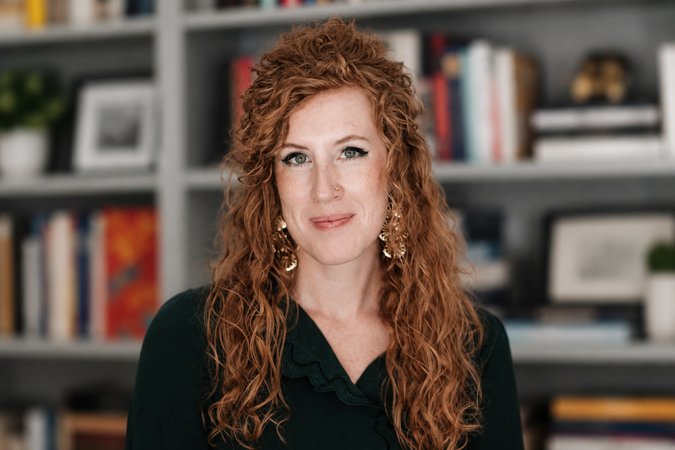
About Rebecca:
Rebecca Koerselman is the program director for the Teaching History graduate program and also teaches courses in the undergraduate program on US history, the atomic bomb and nuclear culture, sport in societies, the history of native peoples, the history of religion, the history of gender, public history, and methods of teaching social studies.
